Bridgeview Preparatory High School
A multicultural learning community dedicated to equity, inclusion, and student empowerment through culturally sustaining education.
PART I: School Mission and Introduction
Building a foundation of inclusive education that honors diversity and empowers every student
School Mission Statement
Bridgeview Preparatory exists to empower students from all cultural, linguistic, and socioeconomic backgrounds to become critical thinkers, compassionate leaders, and active global citizens. We believe education must honor each student's identity and community knowledge as foundational assets for learning. Through a rigorous, culturally sustaining curriculum and a deeply inclusive community, we strive not merely to close achievement gaps, but to transform the very structures of opportunity, ensuring every student graduates ready to champion equity in their future endeavors.
Educational Philosophy
We embrace multicultural education as a transformative approach that goes beyond mere tolerance to actively affirm and sustain the cultural identities of all students while providing them with the tools to critically engage with and shape their world.
Student Population
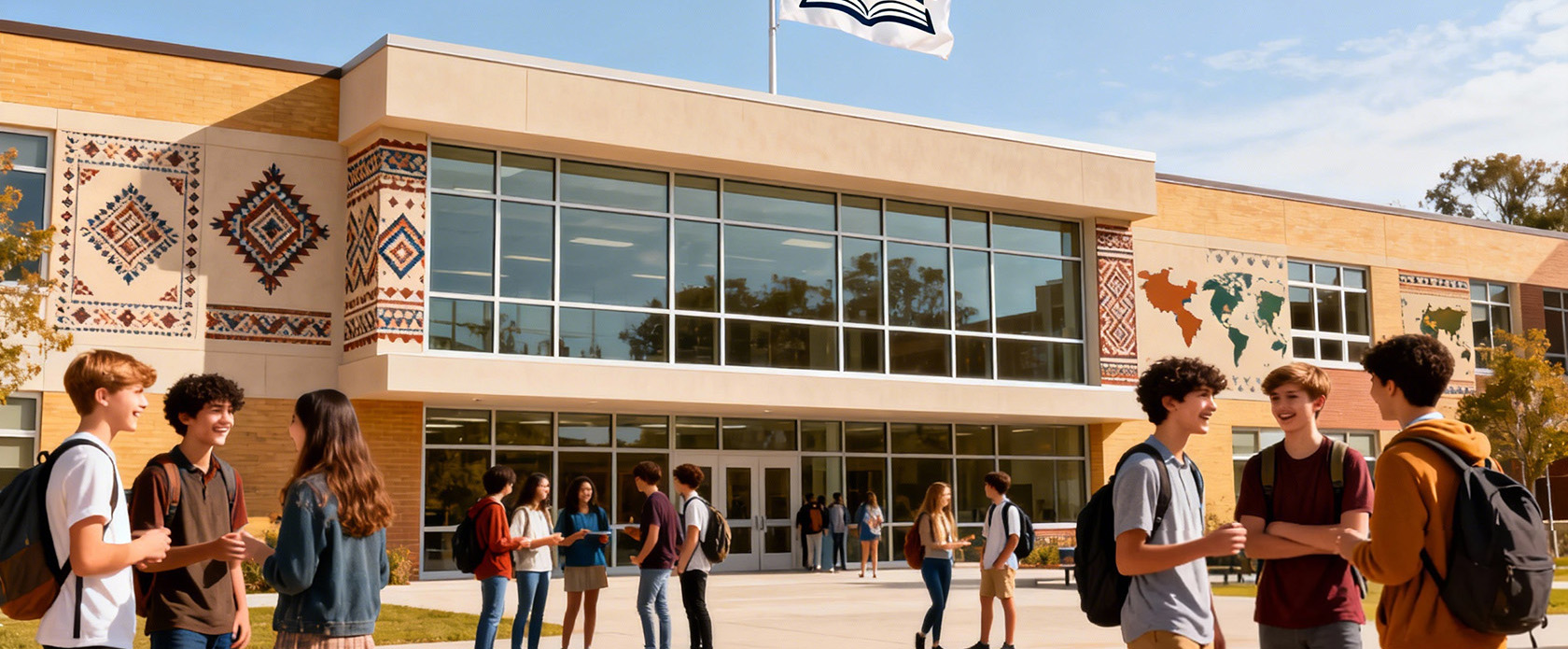
A designated sanctuary school with a student population that is 70% first- or second-generation immigrants, representing over 40 home languages. Our diversity is our greatest strength and the foundation of our educational approach.
Demographic Breakdown
- 70% first- or second-generation immigrants
- 50% English Language Learners (ELLs)
- 85% qualify for free/reduced-price lunch
- 40+ home languages represented
Key Characteristics
- Designated sanctuary school
- High linguistic diversity
- Socioeconomically diverse
- Culturally rich community
Staff Guidelines & Initiatives
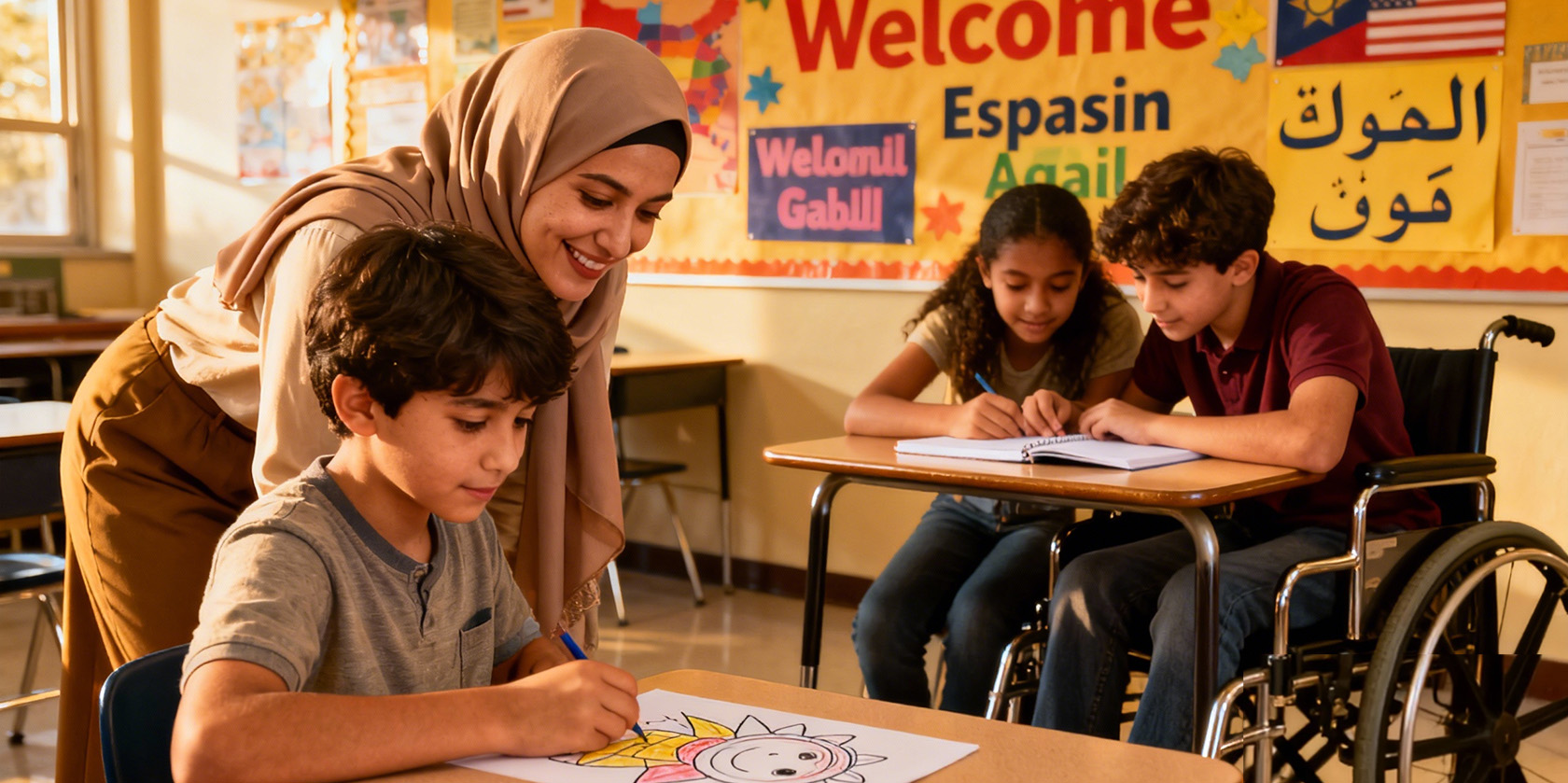
Our staff development programs ensure that every educator is equipped to support our diverse student population through culturally responsive practices and community engagement.
- Mandatory Cultural Humility Training: All staff undergo 30+ hours/year of training co-facilitated by community elders and equity specialists.
- Community Home Visits Program: Teachers are compensated for voluntary home visits to build partnerships with families, following family-led agendas.
- Linguistic Equity Policy: Staff communications to parents are always in their home language. School meetings provide live interpretation.
- Identity-Based Affinity Groups: Faculty and staff participate in weekly affinity spaces for reflection and accountability.
School Counseling Program Guidelines
Our counseling program goes beyond traditional college advising to support the holistic development of each student through multiple pathways to success.
- Beyond College-Only Advising: Counselors are evaluated on supporting multiple pathways: 4-year college, 2-year college, trade apprenticeships, and dignified work, with equal resource allocation.
- Trauma-Informed & Advocacy-Based: Counselors are trained in immigration law resources, restorative justice, and mental health first aid. They serve as student advocates in disciplinary meetings.
- Peer Mentoring Pipeline: Counselors oversee a "Near-Peer" mentoring program where alumni (1-2 years out) mentor seniors, providing relatable guidance.
- Family Engagement Specialists: Dedicated staff work with families to navigate educational systems and access community resources.
PART II: Teaching and Learning
Culturally responsive pedagogy, inclusive materials, and equitable assessment practices
Pedagogical Standards for Teachers
Our teaching standards emphasize asset-based approaches that build on students' cultural and linguistic strengths while fostering critical consciousness.
Core Principles
- Plan Backwards from Student Assets: Start lesson planning by identifying the cultural and linguistic assets students bring.
- Incorporate "Windows & Mirrors": Every unit must provide texts/windows into other cultures and texts/mirrors that reflect students' own identities.
Instructional Practices
- Facilitate, Don't Just Lecture: At least 60% of class time is student-led discussion, collaborative projects, or problem-solving.
- Differentiate for Language & Learning: Provide multiple entry points and output options for every major task.
Instructional Materials Checklist
Before adoption, all materials must fulfill these criteria to ensure they reflect our commitment to diversity, equity, and inclusion.
- Content authored by diverse voices (not just about them)
- Depicts people of color, women, LGBTQ+, people with disabilities in non-stereotypical, active roles
- Includes primary sources from marginalized perspectives alongside traditional ones
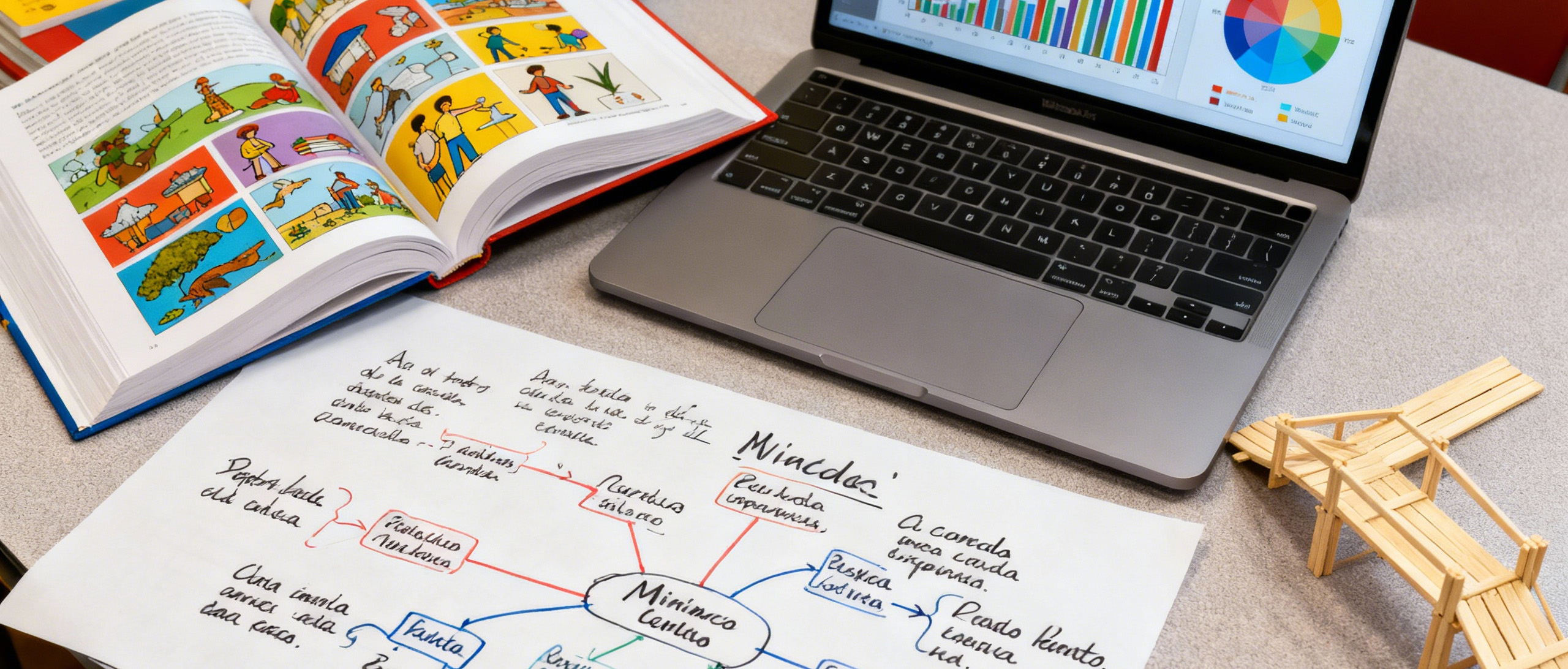
- Available in multiple formats (audio, digital, print) and adaptable for different reading levels
- Problems/examples use contexts relevant to urban and immigrant experiences
- Language is inclusive and avoids deficit-based framing
Assessment Philosophy
We employ a balanced assessment portfolio that values growth, multiple forms of intelligence, and real-world application over standardized testing alone.
Performance-Based Assessments (40%)
Projects, presentations, portfolios that demonstrate applied knowledge and critical thinking in authentic contexts.
Standardized Skill Benchmarks (30%)
Used diagnostically to identify school-supported opportunity gaps, not to rank students or evaluate teachers.
Formative & Self-Assessments (30%)
Daily work, reflections, peer feedback. Grades are based on growth and effort, not just final proficiency, with opportunities for revision and improvement.
PART III: Broader School Policies
School-wide structures and policies that institutionalize equity and inclusion
Formalized School Curriculum
We organize learning around Interdisciplinary "Justice & Innovation" Clusters that break down traditional subject boundaries and connect learning to real-world issues.
Curriculum Clusters
- Sustainable Communities: Biology, chemistry, economics, civic art
- Narratives & Identity: World Literature, Ethnic Studies, digital media arts, psychology
- Design & Equity: Engineering, geometry, computer science, social entrepreneurship
Required Sequence
- Critical Consciousness & Action: 4-year seminar combining philosophy, community organizing, and a senior capstone project
- Heritage Language Pathways: Advanced courses in students' home languages
- Community Engagement Lab: Applied learning through community partnerships
Language Policy
English proficiency is a goal, not a prerequisite for learning. Our policy is "Additive Bilingualism/Multilingualism" that values all languages as assets.
Key Initiatives
- "Language Buddy" System: Pairs ELLs with fluent peers for academic tasks and mutual cultural exchange
- "Heritage Language Honors": Credit for maintaining/native language literacy with community-based assessments
- Multilingual Celebrations: School-wide events showcasing multilingual poetry, music, and announcements
- Translanguaging Pedagogy: Teachers strategically use multiple languages to support content learning
Combating Hidden Curriculum & Fostering Positive Culture
We actively work to dismantle implicit biases and institutional barriers while building a school culture that explicitly values every student's identity and potential.
Structural Initiatives
- Student Voice Councils: Have veto power over school policies affecting dress code, discipline, and event planning
- Restorative Justice Circles: Replace detention for most infractions, focusing on harm repair and community rebuilding
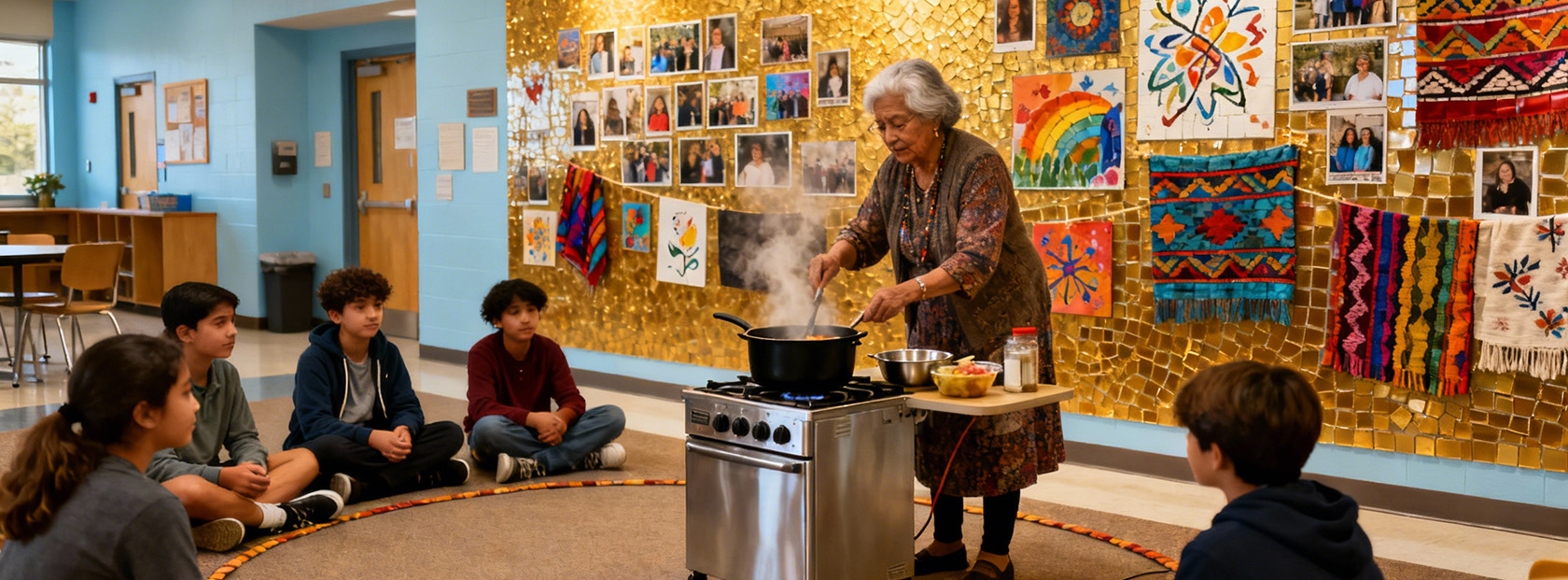
- Family & Community as Co-Educators: Weekly community "Teach-Ins" where family members share skills, stories, and expertise
Cultural Initiatives
- "Wall of Worth": A prominent space featuring student artwork, achievements in non-academic areas, and community contributions
- Identity Celebration Months: Year-round celebrations of diverse cultural, religious, and identity-based observances
- Equity Audits: Annual review of policies, practices, and outcomes through an equity lens